The most politically resonant Indian Idol season in the franchise’s history did not produce its political resonance through anything that happened in the competition. It happened in the voting. Prashant Tamang, a constable in the West Bengal Police from Darjeeling’s Gorkha community, reached the Season 3 finale with a support base that extended well beyond his vocal performances. The Gorkha community in India and across the Nepali diaspora worldwide mobilised for him in numbers that the show’s producers had not anticipated — the mayor of Nepal reportedly invested in SMS votes, and people abroad sent money specifically to fund voting campaigns.
He won with a margin that sources described as ten times the votes of his nearest competitor. And his victory reignited, for a period, the political aspiration for a separate Gorkhaland state. A singing competition had become a cultural and political event.
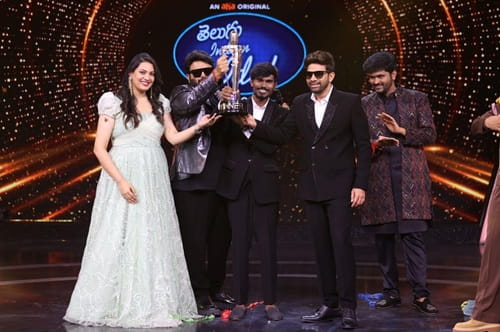
Indian Idol Season 3 – Quick Overview
| Detail | Information |
| Season | Season 3 |
| Air Dates | May 4, 2007 – September 23, 2007 |
| Channel | Sony Entertainment Television |
| Hosts | Hussain Kuwajerwala; Mini Mathur |
| Judges | Anu Malik; Javed Akhtar; Alisha Chinai; Udit Narayan |
| Winner | Prashant Tamang (Darjeeling, West Bengal – Gorkha community) |
| Runner-Up (1st) | Amit Paul |
| Prize Money | ₹1 crore + Maruti Suzuki SX4 car + album contract (Dhanyabad) + world tour |
| Notable Contestants | Meiyang Chang (Top 5); Emon Chatterjee; Ankita Mishra |
| Notable Fact | First Northeast/Gorkha winner; vote count reportedly highest in franchise history; Gorkhaland political movement reinvigorated |
Hosts of Indian Idol Season 3
Hussain Kuwajerwala joined as host for the first time in the franchise — replacing Aman Verma and partnering with Mini Mathur.
Mini Mathur continued for her third consecutive season as co-host.
Judges of Indian Idol Season 3
Anu Malik continued, his third consecutive season.
Javed Akhtar — legendary lyricist and poet, returning from Season 3 after having joined in Season 3. His presence as judge brought a literary and textual dimension to assessments — he evaluated how contestants engaged with a song’s lyrical meaning and communicated its emotional content, not just its melody.
Alisha Chinai — playback singer best known for Made in India (1995), one of the defining pop songs of Indian music’s liberalisation era. Her judging debut on Indian Idol Season 3 brought the perspective of a solo pop artist who had navigated India’s music industry through significant commercial transitions.
Udit Narayan — one of Bollywood’s most beloved playback voices, with a career spanning decades and including some of the most iconic song performances in Hindi film music. His presence gave the panel its deepest connection to the classical traditions of film playback singing.
Winner of Indian Idol Season 3 – Prashant Tamang
Prashant Tamang was born January 4, 1983 in Darjeeling, West Bengal, and was a serving constable in the West Bengal Police when he competed in Season 3. His Gorkha identity — the Nepali-origin mountain community for whom Darjeeling is the cultural and political centre — became the galvanising frame for one of the most dramatic public voting campaigns in Indian television history.
The Gorkha community’s mobilisation extended internationally. The Nepalese mayor invested in SMS voting. Overseas Nepali diaspora in the United Kingdom, United States, and elsewhere contributed to phone-based voting campaigns. The result was a vote count described by multiple sources as approximately ten times that of runner-up Amit Paul. Whether this represented the show’s democratic principle working as intended — the public, not the judges, chose the winner — or an organised bloc vote that overwhelmed individual merit assessments, was debated actively at the time.
Tamang won ₹1 crore, a Maruti Suzuki SX4 car, and a recording contract with Sony, fulfilling which he released his album Dhanyabad — the title meaning “thank you” in Nepali, a direct dedication to the community that had voted for him. He conducted a world tour of shows. He subsequently entered Nepali films, appearing in six productions.
His victory genuinely reignited Gorkhaland movement momentum in Darjeeling, and the political discussion that followed his win is documented in media accounts from the period as having given the aspiration for a separate Gorkhaland state significant national visibility it had not had for years.
Runner-Up Profiles
Amit Paul — first runner-up of Season 3. He went on to a career in Indian pop and playback music, releasing music independently and maintaining a following through live performances.
Meiyang Chang — reached the top 5 (or top 14, depending on the source) of Season 3 and subsequently became one of the competition’s most recognisable non-winners. A Chinese-Indian singer from Jharkhand, his multicultural identity attracted significant media attention. He later entered television as a host and actor, and appeared in Bollywood films. He hosted Indian Idol Season 4’s co-host role. Four Season 3 finalists — Chang, Suhit Gosain, Parleen Singh Gill, and Abhishek Kumar — formed a boy band named F4 (Four Fantastic) and released an album Tu To Na Aayi under Sony BMG; their track Udd Chale was commercially successful and they were declared “The Next Big Thing” on Channel V.
Emon Chatterjee and Ankita Mishra were also among the noted contestants from this season.
Indian Idol Season 3 – Top Contestants
| Contestant | Position / Notes |
| Prashant Tamang | Winner |
| Amit Paul | 1st Runner-Up |
| Meiyang Chang | Top 5; later formed F4 band |
| Emon Chatterjee | Notable finalist |
| Ankita Mishra | Notable finalist |
Key Facts and Legacy of Season 3
Season 3 demonstrated, perhaps more clearly than any other in the franchise, that Indian Idol’s public voting mechanism could be shaped by community mobilisation well beyond the individual viewer’s assessment of vocal talent. The debate about whether Tamang’s margin of victory reflected mass community identity politics or genuine widespread appreciation of his performances has never been definitively resolved — the answer is probably both. What it established clearly was that the show’s geography of appeal extended to diaspora communities globally and could activate cultural and political identities that pure entertainment programming rarely touched.
5 FAQs About Indian Idol Season 3
Who won Indian Idol Season 3?
Prashant Tamang from Darjeeling, West Bengal (of Gorkha/Nepali origin), won Season 3 on September 23, 2007. He received ₹1 crore, a Maruti Suzuki SX4 car, and a recording contract with Sony; his album Dhanyabad followed. He won by a reported margin ten times the votes of runner-up Amit Paul, driven by extraordinary community mobilisation.
How did the Gorkhaland movement connect to Indian Idol Season 3?
Prashant Tamang’s victory reignited political aspirations for a separate Gorkhaland state among the Gorkha community. The unprecedented voting mobilisation — which included overseas diaspora contributions and organised SMS campaigns — created a shared moment of community assertion. Media coverage at the time noted that his win gave the Gorkhaland demand national visibility it had not had for years.
Who were the judges of Indian Idol Season 3?
Anu Malik, Javed Akhtar, Alisha Chinai, and Udit Narayan. This was the first four-judge panel in the franchise’s history, replacing the three-judge panels of Seasons 1 and 2.
Who hosted Indian Idol Season 3?
Hussain Kuwajerwala and Mini Mathur. It was Kuwajerwala’s debut as an Indian Idol host; Mini Mathur continued for her third consecutive season.
What happened to Meiyang Chang after Indian Idol Season 3?
Chang became one of the competition’s most visible non-winners. He formed the boy band F4 with three other Season 3 finalists, releasing an album under Sony BMG whose track Udd Chale was a commercial success. He subsequently built careers in television hosting, acting in Hindi films and serials, and remains active in Indian entertainment.