Indian summers are among the most demanding fashion challenges in the world — temperatures regularly crossing 40°C in North India, intense humidity along coastal regions, scorching afternoons across the Deccan plateau, and the relentless sun that characterises April through June across most of the country. Looking stylish, feeling comfortable, and maintaining personal hygiene standards simultaneously during Indian summer requires conscious, informed clothing choices rather than simply reaching for whatever is clean and available.
The right summer wardrobe choices genuinely transform your daily experience — keeping you cool, confident, and comfortable throughout even the most punishing heat. The wrong choices make summer days significantly more miserable than they need to be.
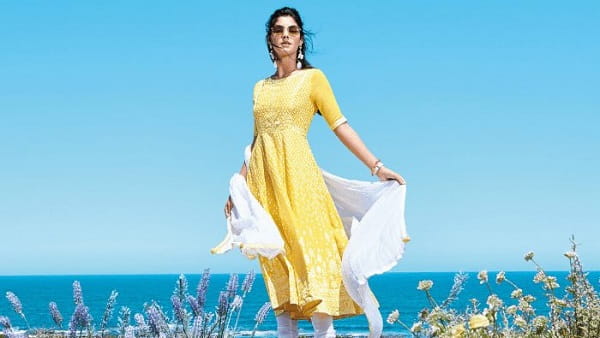
Quick Overview Table — Summer Fashion in India
| Category | What to Wear | What to Avoid |
| Fabrics | Cotton, linen, rayon, chambray | Polyester, nylon, synthetic blends |
| Colours | White, pastels, light neutrals | Black, dark navy, deep red |
| Clothing Style | Loose, breathable, flowy | Tight, body-hugging, layered |
| Footwear | Kolhapuris, open sandals, juttis | Closed synthetic shoes, heavy boots |
| Accessories | Cotton stoles, sunglasses, sun hats | Heavy jewellery, scarves around neck |
| Ethnic Wear | Cotton kurta, mulmul saree, salwar | Silk saree, velvet, heavy embroidery |
| Western Wear | Linen trousers, cotton dresses, maxi skirts | Denim jeans, polyester tops |
| Undergarments | Cotton, moisture-wicking | Nylon, lacy synthetic fabrics |
What to Wear in Indian Summer
- Pure Cotton in Every Form: Cotton is India’s summer fabric answer — breathable, moisture-absorbent, quick-drying, and genuinely comfortable across every activity level. Cotton kurtas, cotton salwar suits, cotton sarees in mulmul or khadi weaves, cotton t-shirts, and cotton dresses all allow air circulation across the body while absorbing sweat effectively. India has an extraordinary cotton textile heritage — from the fine mulmul of West Bengal to the handloom cotton of Odisha — giving Indian summer dressing access to some of the world’s most beautiful and most functional warm-weather fabrics.
- Linen for a Polished Summer Look: Linen is cotton’s more sophisticated summer companion — breathable, structured, and possessing a natural textural quality that elevates casual summer outfits into smart casual and even semi-formal territory. Linen trousers, linen shirts, and linen kurtas look intentionally stylish rather than merely practical — making linen the ideal fabric for office-appropriate summer dressing when air conditioning is available but outdoor commuting means genuine heat exposure.
- Light, Pastel, and White Colours: White and pastel shades — ivory, sky blue, mint green, pale yellow, dusty rose — reflect sunlight rather than absorbing it, keeping fabric surface temperatures measurably lower than dark colours. Wearing white cotton on a 42°C day creates a genuinely different physiological experience than wearing navy — the difference is not psychological. White kurtas, white linen trousers, and pastel cotton anarkalis are both fashionably appropriate and genuinely functional for Indian summer.
- Loose, Flowy Silhouettes: Loose-fitting clothing creates air channels between fabric and skin that allow natural convective cooling — the airspace acts as ventilation. Flowy palazzo trousers, loose kurtas, maxi skirts, and A-line dresses allow body heat to escape while covering the skin from direct sun exposure. The paradox of summer dressing is that more skin coverage in lightweight loose fabric often feels cooler than less coverage in tight or synthetic clothing because loose fabric both blocks solar radiation and allows evaporative cooling.
- Cotton Stoles and Dupattas as Sun Protection: A lightweight cotton dupatta or stole draped loosely over the head and shoulders during outdoor exposure provides effective sun protection without the heat trap of heavier fabrics — protecting the neck, shoulders, and scalp from direct radiation while adding ethnic styling that completes Indian summer outfits beautifully.
What to Avoid in Indian Summer
- Synthetic Fabrics — Polyester, Nylon, Acrylic: Synthetic fabrics are the worst possible choice for Indian summer — they trap body heat, do not absorb sweat, and create a warm humid microclimate against the skin that becomes increasingly uncomfortable as the day progresses. The affordable polyester kurtis and synthetic blend churidars that flood budget clothing markets may look attractive in display but deliver genuinely miserable wearing experiences in Indian summer heat. The price premium for quality cotton is minimal relative to the comfort difference it creates.
- Dark, Heat-Absorbing Colours: Black, dark navy, deep brown, and dark burgundy absorb significantly more solar radiation than light colours — making fabric surface temperatures measurably higher and increasing perceived heat for the wearer. Reserve dark colours for evenings and air-conditioned indoor occasions where solar exposure is not a factor.
- Tight-Fitting Clothing: Fitted jeans, tight leggings, body-hugging dresses, and slim-fit shirts restrict air circulation and trap heat against the skin — creating uncomfortable conditions as body temperature rises through the day. Even if tight-fitting cotton is worn, the lack of airspace reduces the cooling effect that makes loose cotton so effective.
- Heavy Footwear: Closed synthetic shoes and heavy boots trap foot heat and prevent natural cooling of the feet — one of the body’s primary heat dissipation surfaces. Open sandals, kolhapuris, and juttis with breathable construction allow adequate foot ventilation.
- Excessive Layering and Heavy Accessories: Multiple fabric layers, heavy metal jewellery that heats up against the skin, and tight scarves around the neck all add heat burden that detracts from summer comfort. Summer accessorising should enhance appearance without adding thermal load.
Final Summer Fashion Assessment
Indian summer fashion at its best draws on India’s extraordinary cotton textile heritage — the very fabrics that centuries of Indian craft have developed specifically for hot-weather living. Modern synthetic temptations should be firmly resisted in summer. Investing in quality cotton and linen basics, embracing loose silhouettes, and choosing reflective light colours creates a summer wardrobe that is simultaneously stylish, culturally grounded, and genuinely comfortable through India’s most challenging season.
Frequently Asked Questions (FAQs)
Q: What is the best fabric for Indian summer?
A: Pure cotton is the best fabric — breathable, moisture-absorbent, and comfortable in heat. Mulmul, khadi, and handloom cotton are particularly recommended for their lightness and breathability.
Q: Can I wear jeans in Indian summer?
A: Denim is a poor summer fabric choice — heavy, non-breathable, and heat-retaining. Lightweight cotton trousers or linen pants are significantly more comfortable alternatives for casual summer dressing.
Q: What colour clothing is coolest in Indian summer?
A: White and light pastels reflect solar radiation and keep fabric temperatures lower. White cotton kurtas and pale-coloured linen are among the coolest dressing choices available.
Q: Is silk good for Indian summer?
A: Traditional silk is not ideal for outdoor Indian summer due to heat retention. However, lightweight tussar and chiffon silks in light colours can work well for evening occasions with air conditioning.
Q: How can I look stylish yet stay cool in Indian summer?
A: Choose well-fitted loose cotton or linen in light colours, accessorise with lightweight cotton stoles, opt for elegant open sandals, and embrace India’s beautiful ethnic cotton weaves that are both culturally appropriate and naturally cooling.