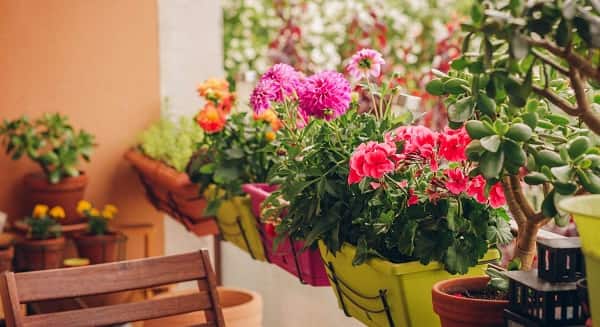
Home gardening has experienced a remarkable revival across India — driven by pandemic-era lifestyle reflection, growing interest in organic food, increasing awareness of mental health benefits from nature connection, and a generation of urban dwellers seeking tangible, living connections to the natural world that apartment life frequently denies. Whether it is a small kitchen herb garden on a balcony, a terrace vegetable patch, an indoor plant collection, or a sprawling backyard garden, home gardening has become one of the most widespread and most personally meaningful domestic pursuits for Indian households.
The question of whether home gardening is genuinely worth the time, effort, and investment it requires has answers that are as varied as the people who garden — but understanding the real advantages and honest disadvantages helps you set realistic expectations and make the most of your gardening investment.

What is Home Gardening?
Home gardening encompasses the cultivation of plants — vegetables, fruits, herbs, flowers, and ornamental plants — in any residential space including backyards, terraces, balconies, windowsills, and indoor areas using containers, raised beds, or in-ground planting. In India’s urban context, container gardening and terrace farming have made productive gardening accessible to apartment residents without conventional garden space. The spectrum ranges from a few herb pots on a kitchen windowsill to extensive terrace farms growing substantial portions of a household’s vegetable requirement.
Quick Overview Table — Home Garden
| Category | Details |
| Types | Kitchen garden, terrace garden, balcony garden, backyard garden |
| Space Required | Minimal — even windowsills can host herbs |
| Initial Cost | ₹500–₹10,000 depending on scale |
| Ongoing Cost | Seeds, soil, fertiliser, water |
| Time Commitment | 15 minutes–1 hour daily depending on size |
| Best for Indian Homes | Tomatoes, chillies, coriander, spinach, methi, curry leaf |
| Container Gardening | Ideal for apartments — balconies and terraces |
| Soil Type | Well-draining potting mix with compost |
| Sunlight Requirement | 4–6 hours for most vegetables |
| Key Benefits | Fresh produce, mental health, physical activity |
| Key Challenges | Time, pests, water management, space limitations |
Advantages of Home Gardening
- Fresh, Chemical-Free Produce at Home: The most practically compelling benefit of a kitchen or vegetable garden is direct access to fresh, organic, chemical-free produce that supermarket and vendor vegetables cannot match for quality or safety. Growing your own tomatoes, coriander, spinach, methi, curry leaves, and chillies — the everyday ingredients of Indian cooking — ensures you know exactly what has gone into what you eat. Homegrown vegetables picked at peak ripeness deliver nutritional quality and flavour that commercially harvested produce, often picked underripe for transport durability, genuinely cannot match. For households concerned about pesticide residue on commercially grown vegetables, a home garden provides concrete and controllable food safety.
- Significant Cost Savings on Daily Vegetables: A well-maintained kitchen garden producing everyday greens and herbs can reduce monthly vegetable purchases meaningfully — particularly for high-frequency-use herbs like coriander, curry leaf, mint, and methi that are purchased in small quantities from vendors but grow abundantly with minimal investment. A single curry leaf plant provides years of free daily harvest. A small coriander patch replaces repeated vegetable market purchases. The financial savings are modest individually but compound into meaningful annual amounts alongside the quality improvement.
- Exceptional Mental Health and Stress Relief Benefits: Numerous scientific studies have demonstrated that gardening reduces cortisol levels, lowers blood pressure, and provides genuine psychological restoration — creating a state of focused, calm attention that actively relieves the accumulated stress of urban professional life. The daily ritual of tending plants — watering, pruning, observing growth — provides a mindful, physically present activity that is therapeutic precisely because it demands attention to the present moment rather than the digital distraction and future-focused anxiety that characterises modern urban life.
- Physical Activity and Health Benefits: Gardening provides regular moderate physical activity — digging, watering, weeding, and harvesting engage the body in varied movements that benefit cardiovascular health, flexibility, and fine motor skills without the structured discipline of formal exercise. For elderly family members particularly, gentle garden activity provides accessible, enjoyable physical engagement that maintains mobility and outdoor time in ways that promote healthy ageing.
- Environmental and Ecological Contribution: Home gardens — particularly those incorporating native plants, flowering species, and organic practices — contribute meaningfully to urban biodiversity. They provide habitat and food sources for pollinators including bees and butterflies, reduce urban heat island effect through evapotranspiration, improve local air quality, and contribute to rainwater absorption. In densely built Indian cities where green cover is shrinking, home gardens represent individual contributions to ecological resilience.
- Educational Value for Children: A home garden provides children with direct, hands-on understanding of where food comes from, how plants grow, and the patience and responsibility that living things require — educational experiences that classroom learning cannot replicate. Children who grow vegetables are consistently more willing to eat those vegetables — making home gardening a surprisingly effective tool for improving children’s vegetable consumption.
Disadvantages of Home Gardening
- Significant Time Commitment: A productive vegetable garden requires consistent daily care — watering, checking for pests, fertilising, pruning, and harvesting on regular schedules that cannot be neglected without consequences for plant health and productivity. For working professionals managing demanding careers and family responsibilities, finding 30–60 minutes of genuine daily garden attention is harder in practice than it appears in planning — and neglected gardens quickly become overgrown, pest-infested disappointments that create guilt rather than satisfaction.
- Pest and Disease Management Challenges: Home vegetable gardens attract a consistent range of pests — aphids, mealybugs, caterpillars, whitefly, and fungal diseases that can devastate crops quickly without vigilant monitoring and prompt intervention. Organic pest management — neem oil, soap solutions, companion planting — requires knowledge and consistency that takes time to develop. Chemical pesticide use defeats the organic food safety purpose of home growing, creating a tension between effective pest control and the chemical-free produce objective that motivates many home gardeners.
- Space Constraints in Urban Indian Homes: Most urban Indian households in apartments have limited outdoor space — small balconies that restrict the variety and volume of plants that can be practically grown. Container gardening on balconies faces constraints of sunlight direction, structural load limits, and wind exposure that limit productive gardening potential significantly. Households facing north or heavily shaded balconies face fundamental light availability challenges that no amount of effort or investment overcomes.
- Ongoing Costs — Soil, Seeds, Fertiliser, Tools: While home gardening can reduce vegetable purchase costs, it also generates ongoing expenditure on quality potting soil, organic fertiliser, seeds, seedlings, containers, garden tools, and pest management products. Poor-quality soil and inadequate nutrition produce disappointing yields that frustrate new gardeners — good organic compost and quality potting mix cost meaningfully more than the basic garden soil that beginner gardeners sometimes attempt to use. The break-even point between garden investment and vegetable cost savings requires scale and productivity that beginners rarely achieve immediately.
- Water Management and Environmental Responsibility: Home gardens require regular watering — in India’s climate, particularly during summer, this means significant daily water consumption at a time when many urban areas face water scarcity and restrictions. Gardeners who have not invested in water-efficient drip irrigation or self-watering containers can unintentionally consume disproportionate water volumes, creating an environmental tension between the garden’s ecological benefits and its water demand.
- Disappointing Initial Results for Beginners: Most beginners experience significant crop failures — plants that wilt, vegetables that don’t fruit, herbs that bolt, or entire containers that fail despite apparent care. Understanding soil pH, drainage, sunlight requirements, watering frequency, and seasonal timing takes a learning period of 1–2 growing seasons before consistent success. The gap between the thriving gardens shown in YouTube videos and the reality of beginner experiences creates discouragement that causes many new gardeners to abandon their efforts before developing the competence that makes gardening genuinely rewarding.
Is Home Gardening Worth It?
Home gardening is genuinely worth it for households willing to invest in the learning curve, accept occasional failures as part of the experience, and approach it as a lifestyle practice rather than purely an economic activity. The mental health benefits, food quality improvements, and daily nature connection deliver value that extends far beyond the financial equation of comparing seed costs to vegetable prices. Starting small — a few herb pots, one or two vegetable containers — builds confidence and skill before scaling to more ambitious productive gardens.
Frequently Asked Questions (FAQs)
Q: What vegetables grow best in Indian home gardens?
A: Tomatoes, chillies, spinach, methi, coriander, curry leaf, mint, brinjal, and beans grow well in Indian home gardens with adequate sunlight. These everyday Indian cooking staples are both easy to grow and financially rewarding.
Q: How much space do I need for a kitchen garden on a balcony?
A: As little as 3–4 square metres of south or west-facing balcony space can support a productive herb and small vegetable garden using containers and vertical growing structures.
Q: How often should I water a home vegetable garden?
A: Most vegetables in containers require daily watering in summer and alternate days in cooler months. Self-watering containers and mulching significantly reduce watering frequency.
Q: Can I grow vegetables without chemical fertilisers?
A: Yes — compost, vermicompost, banana peel fertiliser, and leaf compost provide excellent organic nutrition. Many experienced home gardeners maintain entirely chemical-free gardens with strong results.
Q: What is the best way to start a home garden as a complete beginner?
A: Start with 3–4 herb pots — coriander, mint, methi — on a sunlit windowsill or balcony. These are fast-growing, forgiving, immediately useful in cooking, and build confidence before attempting more demanding vegetables.