India’s monsoon season — arriving across different regions between June and September — brings blessed relief from summer heat alongside its own distinctive set of fashion challenges that unprepared wardrobes handle poorly. The combination of unpredictable rainfall, humidity levels exceeding 80–90% in many regions, waterlogged streets, muddy terrain, and the constant transition between heavy rain and sunshine creates fashion demands unlike any other season. Monsoon fashion is not simply about staying dry — it is about choosing materials, silhouettes, and footwear that remain functional, hygienic, and attractive through conditions that defeat conventional wardrobe choices completely.
Quick Overview Table — Monsoon Fashion India
| Category | What to Wear | What to Avoid |
| Fabrics | Synthetic blends, polyester, nylon | Heavy cotton, silk, chiffon |
| Colours | Bright colours, dark shades | White, cream, pastels |
| Silhouette | Fitted above the knee, cropped | Long heavy skirts, palazzo |
| Footwear | Rubber sandals, crocs, waterproof flats | Fabric footwear, suede, leather |
| Bags | Waterproof backpacks, sling bags | Large fabric totes, canvas bags |
| Ethnic Wear | Synthetic saree, printed kurta | Silk saree, embroidered suits |
| Western Wear | Fitted jeans, capri pants, shorts | Flared trousers, long skirts |
| Accessories | Waterproof watch, minimal jewellery | Oxidised metal, heavy bangles |
What to Wear in Indian Monsoon
- Quick-Dry Synthetic Fabrics: Monsoon is the one season where synthetic fabrics earn their place — polyester, nylon blends, and quick-dry synthetic materials dry rapidly when wet, do not become heavy with water absorption, and maintain their shape through repeated soaking and drying cycles that heavy natural fabrics handle poorly. Polyester and cotton blend kurtas, synthetic printed tops, and quick-dry synthetic trousers are genuinely more practical for daily monsoon life than pure cotton that stays damp for hours after rain exposure.
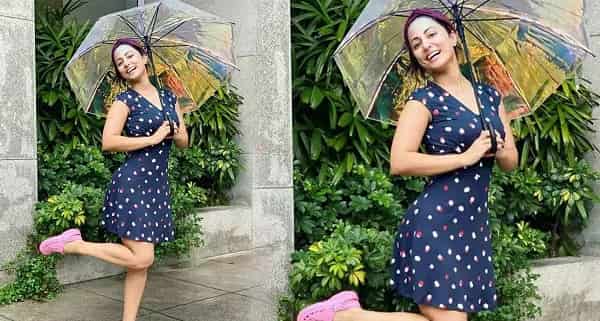
- Dark and Bright Colours: Monsoon is the season to embrace deep, saturated colours and bold prints — dark blues, burgundy, bottle green, mustard yellow, and vibrant printed patterns. Dark colours do not show water marks, mud splashes, or dampness staining that instantly ruins light-coloured monsoon outfits. Bright, cheerful colours psychologically complement the grey skies and steady rain with energy and positivity. Floral prints, ikkat patterns, and block print designs in dark backgrounds are both fashionable and practically forgiving through wet conditions.
- Fitted, Above-the-Knee Silhouettes: Shorter hemlines — capri pants, cropped trousers, knee-length kurtas, above-the-knee dresses — avoid the sodden hem problem that ruins long garments within minutes of walking through even moderately wet streets. Fitted silhouettes that do not trail or billow extensively maintain their appearance better through rain than loose flowing styles designed for dry weather. Fitted jeans or structured cigarette trousers work well when they do not drag on wet surfaces.
- Rubber and Waterproof Footwear: Monsoon footwear is the single most important fashion decision of the season — and the clear answer is rubber sandals, crocs, waterproof flats, and jelly shoes that repel water, dry instantly, and survive daily soaking without damage. India has developed excellent rubber and plastic sandal traditions — traditional rubber hawai chappals, modern crocs, and waterproof synthetic sandals in attractive designs provide adequate style options within the waterproof footwear category. Bright-coloured rubber sandals have become a genuine monsoon fashion statement rather than merely a practical compromise.
- Waterproof Bags and Accessories: Waterproof backpacks, PU leather sling bags, and crossbody bags with zipper closures protect phones, documents, and belongings through monsoon commutes. Stainless steel or waterproof watch options replace leather-strapped watches that degrade quickly with daily moisture exposure.
What to Avoid in Indian Monsoon
- Heavy Cotton and Natural Fabrics: Pure cotton, heavy linen, and khadi — perfect for summer — become liabilities in monsoon. They absorb water heavily, remain damp for extended periods, develop musty odours from moisture retention, and take hours to dry after rain exposure. The same cotton kurta that was summer’s ideal choice becomes monsoon’s worst enemy the moment it absorbs rain and hangs heavy against the body for the rest of the day.
- White and Light-Coloured Clothing: White fabric in monsoon conditions reveals every water mark, mud splash, and dampness pattern instantly — creating appearances of uncleanliness regardless of actual hygiene standards. Light colours similarly show every contact with the inevitable grime of wet urban Indian streets. Monsoon is unambiguously the season to retire whites and pastels from regular rotation.
- Silk, Chiffon, and Delicate Fabrics: Silk water-stains permanently and irreversibly — a single rain shower can damage expensive silk garments beyond repair. Chiffon becomes translucent when wet, creating unintended transparency issues. Embroidered and embellished fabrics trap water in their decorative elements and take days to dry properly, often developing mould if not carefully managed. Reserve all delicate fabrics strictly for indoor, covered occasions with no rain exposure risk.
- Suede, Fabric, and Leather Footwear: Leather shoes warp and crack with repeated water exposure. Suede shoes are ruined by a single heavy shower. Fabric sneakers and canvas shoes stay damp for days in humid monsoon conditions, developing unpleasant odours that make wearing them increasingly unpleasant. No amount of fashion preference justifies wearing leather or fabric footwear through monsoon commutes on Indian streets.
- Long Trailing Skirts and Palazzo Trousers: Floor-length skirts and wide-leg palazzo trousers pick up street water and mud with every step — accumulating dampness and grime at the hemline that ruins the garment’s appearance and creates hygiene concerns. These silhouettes are genuinely incompatible with daily outdoor monsoon commuting.
Monsoon Fashion Conclusion
Successful monsoon dressing requires accepting a seasonal wardrobe pivot — prioritising quick-dry fabrics, darker colours, shorter hemlines, and waterproof footwear over the natural fabrics and flowing silhouettes of other seasons. The most stylish monsoon approach embraces the season’s constraints as styling opportunities — bold prints on quick-dry fabrics, bright rubber sandals as colour-coordinated statement pieces, and waterproof accessories as considered style choices rather than reluctant compromises.
Frequently Asked Questions (FAQs)
Q: What is the best fabric for Indian monsoon?
A: Quick-dry synthetic blends and polyester-cotton mixes dry fastest after rain exposure. Avoid pure cotton and silk which stay damp and can develop odour.
Q: Can I wear a saree during monsoon?
A: Yes, but choose synthetic, georgette, or printed polyester sarees rather than silk or heavy cotton. Keep the pallu pinned to avoid trailing in water.
Q: What footwear is best for monsoon in India?
A: Rubber sandals, crocs, waterproof synthetic flats, and jelly shoes are the most practical and fashionable monsoon footwear choices.
Q: How do I keep my monsoon outfit looking fresh through the day?
A: Choose dark or printed fabrics that hide water marks, carry a compact waterproof bag, and keep a dry change of footwear at work if your commute involves significant rain exposure.
Q: Are jeans good for monsoon?
A: Fitted jeans work in light rain if they do not trail. Avoid flared or bootcut styles. Capri length jeans or cropped trousers are better choices that avoid wet hemlines completely.