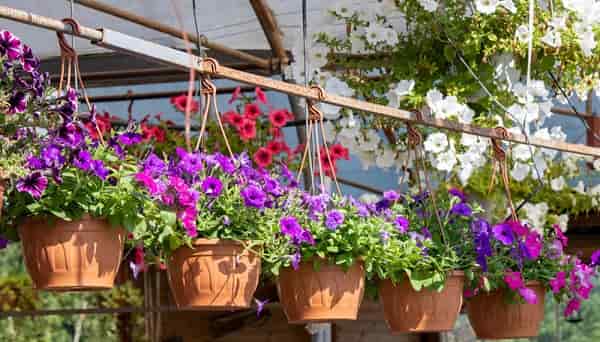
A well-planted balcony transforms one of a home’s most underutilised spaces into a living green sanctuary — a private outdoor retreat that adds aesthetic beauty, natural air quality improvement, psychological restoration, and even food production to apartments that otherwise have no garden space. India’s diverse and largely warm climate is exceptionally hospitable to outdoor balcony plants — the abundant sunshine, warm temperatures, and seasonal monsoon rains create growing conditions where dozens of plant species thrive with relatively modest care.
The following five outdoor balcony plants represent the best choices for Indian apartment dwellers — combining beauty, resilience in container conditions, tolerance of India’s climate extremes, and practical appropriateness for the limited space and structural constraints of typical Indian balconies.
| Plant Name | Type | Light | Best Feature | Container Size | Care Level |
| Tulsi (Holy Basil) | Herb/Sacred | Full Sun | Cultural significance + fragrance | 8–10 inch | Very Easy |
| Adenium (Desert Rose) | Flowering Succulent | Full Sun | Spectacular flowers, drought-tolerant | 10–14 inch | Easy |
| Lemongrass | Herb/Ornamental | Full Sun | Mosquito repellent + culinary use | 12–14 inch | Very Easy |
| Portulaca (Moss Rose) | Flowering | Full Sun | Heat-tolerant, continuous blooms | 8–12 inch | Very Easy |
| Croton (Codiaeum) | Ornamental Foliage | Bright Sun | Stunning multicoloured foliage | 10–14 inch | Easy |
1. Tulsi (Ocimum tenuiflorum / Holy Basil)
Tulsi is India’s most spiritually and practically significant balcony plant — occupying a sacred place in virtually every Hindu household as the plant most closely associated with Lord Vishnu and considered essential for daily worship, household protection, and health. Beyond its deep cultural and religious significance, tulsi is scientifically validated as one of the most medically valuable plants available — containing eugenol, rosmarinic acid, and ursolic acid that provide antibacterial, antiviral, adaptogenic, and anti-inflammatory benefits used in everything from daily kadha to Ayurvedic medicine.
From a purely practical outdoor plant perspective, tulsi thrives magnificently on Indian sunny balconies — loving full sun, warm temperatures, and the Indian climate with remarkable enthusiasm. It grows vigorously in a simple terracotta pot, requires watering every 1–2 days, and benefits from regular pinching of flower buds to encourage bushy leaf growth rather than bolting to seed. Keeping a tulsi plant on the balcony also acts as a natural mosquito and insect deterrent due to its aromatic volatile oils — a practical benefit particularly appreciated in humid Indian summers. No balcony plant combines spiritual significance, health benefits, culinary use, mosquito repellent properties, and ease of care more completely than tulsi.
2. Adenium / Desert Rose (Adenium obesum)
Adenium is one of India’s most visually spectacular balcony plants — producing vivid trumpet-shaped flowers in deep crimson, pink, white, and bicolour patterns against a distinctive swollen caudex base trunk that creates an inherently exotic and dramatic appearance. Its thick, sculptural base and delicate contrasting flowers make adenium one of the most conversation-starting plants any Indian balcony can feature.
True to its desert rose common name, adenium is perfectly adapted to India’s hot, dry conditions — thriving in the intense summer heat that damages most flowering plants, requiring minimal water, and performing beautifully in the full sun exposure that south and west-facing Indian balconies provide abundantly. Overwatering is the primary management error — adenium’s succulent stem and roots rot quickly in waterlogged conditions, so well-draining gritty soil and infrequent watering are the key care principles. During India’s monsoon months, reduce watering frequency significantly. The plant blooms most prolifically in spring and autumn, with flowers lasting several weeks. A mature adenium in full bloom is genuinely one of the most striking sights any balcony garden can offer.
3. Lemongrass (Cymbopogon citratus)
Lemongrass is one of the most practically multifunctional outdoor balcony plants for Indian homes — combining ornamental appeal, culinary utility, and genuine natural mosquito repellent properties in a single robust, easy-growing clump. Its tall, graceful arching grass blades create a beautiful fountain of fresh green growth that adds natural movement and texture to balcony plantings, while the distinctive citronella fragrance released when leaves are brushed or bruised creates a naturally mosquito-deterring atmosphere that chemical repellents cannot match for pleasantness.
In Indian kitchens, lemongrass is an increasingly essential ingredient in South Indian cooking, Thai-inspired cuisine, herbal teas, and health drinks — having fresh lemongrass growing metres from your kitchen represents a genuine culinary upgrade. It grows vigorously in a large container with regular watering and full sun, tolerating heat extremely well while looking visually lush throughout the year. Dividing and repotting clumps every 2 years maintains vigorous growth. For Indian balconies facing the challenge of mosquito presence during evening hours — nearly universal in urban India — lemongrass provides an aesthetically beautiful and practically effective solution.
4. Portulaca / Moss Rose (Portulaca grandiflora)
Portulaca is India’s most perfect balcony plant for hot, sunny exposures where most flowering plants struggle or fail — producing an absolute profusion of small, jewel-bright flowers in red, orange, yellow, pink, white, and magenta throughout India’s hottest and most challenging growing months. While most plants slow their flowering in the intense summer heat of April through June, portulaca accelerates — blooming most exuberantly in the conditions that defeat other flowering plants.
Its succulent nature means excellent drought tolerance — portulaca stores water in fleshy leaves and stems, making it forgiving of irregular watering and perfectly suited to balcony conditions where container drying can happen quickly in hot weather. The creeping, spreading growth habit creates beautiful cascading colour over container edges, and the sheer volume of flowers produced from a single plant is extraordinary — covering the entire plant surface in bloom during peak season. Seeds are easily saved and resown, making portulaca one of India’s most economical flowering plants for ongoing replanting. In a combination planting of mixed colours, portulaca creates a living tapestry of colour that transforms even the simplest balcony.
5. Croton (Codiaeum variegatum)
Croton is India’s most spectacularly colourful foliage plant for sunny outdoor balconies — producing boldly patterned leaves in combinations of green, yellow, red, orange, purple, and pink that create year-round visual interest independent of any flowering season. Unlike flowering plants that provide colour only during bloom periods, croton’s multicoloured foliage delivers constant, permanent visual impact that intensifies in full sun — the brighter the sunlight, the more vivid the leaf colouration.
The diversity of croton varieties available in Indian nurseries is extraordinary — from compact dwarf varieties suitable for small pots to large architectural specimens that anchor balcony planting schemes with bold tropical statements. Different leaf forms — broad, narrow, twisted, lobed — add textural variety alongside the colour diversity. Care involves full sun for maximum colour intensity, regular watering without waterlogging, and monthly balanced fertiliser during the growing season. Croton is sensitive to cold and frost but thrives in India’s tropical and subtropical climates — the warm conditions that Indian balconies provide suit it perfectly. For a plant that requires no flowering season to deliver maximum visual impact, croton is genuinely unmatched.
Frequently Asked Questions (FAQs)
Q: Which outdoor balcony plant is best for north-facing low-light Indian balconies?
A: North-facing balconies with limited direct sunlight suit peace lily, money plant, and pothos better than the full-sun plants on this list. Among outdoor plants, ferns and impatiens tolerate lower light conditions.
Q: How do I protect balcony plants from strong winds in high-rise apartments?
A: Use heavier ceramic or terracotta pots for stability, group plants together to create mutual wind protection, and choose compact varieties over tall ones. Wind-breaks using bamboo screens or trellises significantly reduce wind damage.
Q: Can I grow tulsi in a non-terracotta pot?
A: Yes — tulsi grows in any pot with good drainage holes. Traditional terracotta is preferred for its breathability that prevents waterlogging, but plastic and ceramic containers work well with careful watering discipline.
Q: How often should I water balcony plants in Indian summer?
A: Most outdoor container plants in Indian summer require daily watering — container soil dries rapidly in intense heat. Succulents like adenium and portulaca need less frequent watering. Morning watering is most effective, allowing foliage to dry before evening.
Q: Which plants are best for a small 4×6 feet Indian balcony?
A: Tulsi, portulaca, and compact croton varieties are ideal for small balconies — providing fragrance, colour, and foliage respectively within minimal space. Use vertical wall planters to maximise plant capacity without consuming floor space.