Modern bathrooms are increasingly designed to balance space efficiency, hygiene and visual simplicity. Within this evolving landscape, toilet selection plays a crucial role in defining both comfort and overall design flow. The one-piece and wall-mounted commodes are two widely preferred options that reflect contemporary bathroom needs. While both are designed for modern usage, they differ in structure, installation and spatial impact. Understanding these differences helps choose a suitable option based on layout, usage requirements, and long-term convenience.
Understanding Modern Toilet Options
The one piece commode integrates the tank and bowl into a single seamless unit. This reduces joints, creating a cleaner appearance and simplifying maintenance. It is widely used in homes that prioritise practical design with a modern finish.
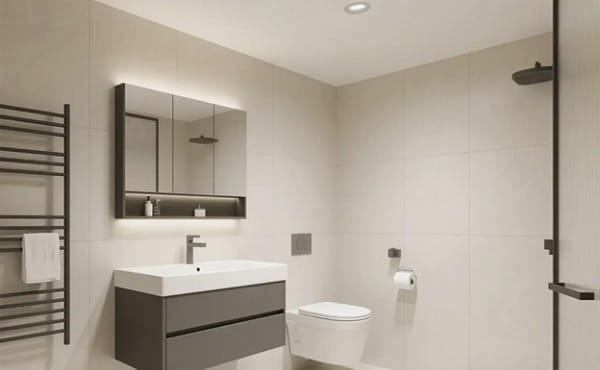
In contrast, the wall-mounted commode is fixed to the wall, with a concealed cistern system installed within the wall. This creates a floating appearance and enhances visual openness in the bathroom. Both designs focus on improving usability while aligning with modern interior preferences.
One-Piece Commode: Features and Benefits
A one-piece commode is designed for simplicity and ease of use. Its integrated structure offers both functional and aesthetic advantages.
- Seamless tank and bowl integration
- Reduced dirt accumulation points
- Easy cleaning and maintenance
- Compact and modern appearance
- Strong ceramic build for durability
This design is suitable for most residential bathrooms and is often chosen for its low-maintenance nature. The smooth surface and absence of joints help maintain hygiene with minimal effort.
Wall-Mount Commode: Design and Functionality
A wall mount commode offers a more contemporary and space-efficient approach. Since it is mounted on the wall, the floor remains completely open, improving accessibility and visual spaciousness.
- Floating design with concealed cistern
- Adjustable installation height
- Easier floor cleaning
- Modern and minimal aesthetic
- Space-saving structure
This design is especially effective in compact bathrooms where maintaining openness is important. It also enhances the overall visual flow of modern interiors.
Comparison Between One-Piece and Wall-Mount Commode
A comparison between the one-piece commode and wall-mount commode highlights their key differences in design, space usage, and functionality.
| Feature | One-Piece Commode | Wall-Mount Commode |
| Structure | Integrated tank and bowl | Wall-fixed with concealed cistern |
| Installation | Floor-mounted | Wall-mounted |
| Space usage | Compact footprint | Maximises visible floor space |
| Cleaning | Easy due to smooth joints | Easier floor cleaning underneath |
| Aesthetic | Modern and simple | Premium and minimal floating look |
| Maintenance | Simple and direct access | Requires an access panel for the cistern |
| Cost range | Generally moderate | Usually higher due to installation complexity |
Both the one-piece commode and wall-mount commode address different user priorities. One focuses on simple installation and ease of use, while the other prioritises space efficiency and a cleaner visual layout. Brands like Simpolo Tiles & Bathware offer durable, well-designed ceramic solutions for both types. Their products are built to a high standard and feature clean, modern designs, making them suitable for a range of bathroom layouts and installation styles.
Installation and Structural Considerations
Installation requirements differ significantly between the two systems. A one-piece commode requires standard floor mounting with direct plumbing connection, making it relatively straightforward to install.
A wall-mount commode, however, requires concealed plumbing and a strong wall frame to support the load. Proper planning is essential before installation, as the cistern and support system are embedded within the wall structure. This makes execution more complex but results in a cleaner visual finish.
Maintenance and Practical Use
Maintenance is an important factor when selecting between these options. A one-piece commode is easier to clean externally due to its joint-free design, which reduces dirt accumulation.
A wall-mount commode allows easier floor cleaning but requires access to internal cistern components through a service panel. Both systems perform well when properly maintained, but their servicing approaches differ by design.
Material and Durability Factors
Material quality plays a key role in long-term performance. High-grade vitreous china is commonly used for both one-piece and wall-mounted commode designs due to its strength, smooth finish, and stain resistance.
Well-glazed surfaces improve hygiene by reducing bacterial buildup and making cleaning easier. Durable construction ensures long-lasting performance under regular usage conditions.
Choosing the Right Toilet for Your Bathroom
Selection depends on bathroom size, design preference and installation feasibility.
- Choose a one-piece commode for easy maintenance and standard installation
- Choose a wall-mount commode for a modern, space-saving floating design
- Evaluate the plumbing structure before finalising the choice
- Consider long-term servicing access and durability needs
A well-informed decision ensures better comfort, functionality and visual balance in daily use.
Conclusion
Both one-piece and wall-mount commodes represent modern bathroom essentials, each offering distinct advantages. While one-piece designs focus on simplicity and ease of maintenance, wall-mounted options prioritise space efficiency and contemporary aesthetics. Understanding their differences helps select the right solution that aligns with the bathroom layout, usage needs, and long-term practicality.