Pimples are one of the most universally experienced and most emotionally impactful skin concerns in India — affecting not just teenagers but a growing proportion of adults dealing with hormonal fluctuations, pollution exposure, stress, dietary factors, and the skincare mistakes that inadvertently worsen rather than resolve breakouts. The appeal of natural remedies is understandable — chemical treatments can be harsh, expensive, and inaccessible, while many kitchen and garden ingredients offer genuine antibacterial, anti-inflammatory, and healing properties validated by both traditional Ayurvedic practice and modern dermatological research.
This seven-day natural approach addresses pimples through a combination of targeted topical treatments, dietary adjustments, and daily habit changes that collectively reduce inflammation, fight bacteria, and support skin healing without harsh chemicals.
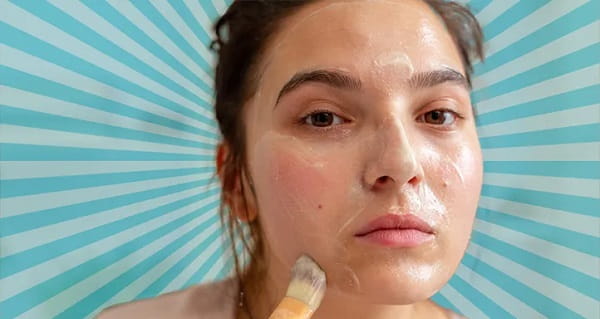
Quick Overview — Natural Pimple Removal in 7 Days
| Day | Key Action | Natural Ingredient |
| Day 1 | Deep cleanse and ice therapy | Green tea cleanser + ice cube |
| Day 2 | Antibacterial spot treatment | Tea tree oil (diluted) or neem paste |
| Day 3 | Soothing anti-inflammatory mask | Multani mitti + rose water |
| Day 4 | Hydration and healing support | Aloe vera gel application |
| Day 5 | Exfoliation and skin renewal | Honey + cinnamon mask |
| Day 6 | Oil control and pore tightening | Sandalwood paste + rose water |
| Day 7 | Nourishing and brightening | Turmeric + yoghurt mask |
Understanding Why Pimples Form
Pimples form when hair follicles become blocked with excess sebum (oil), dead skin cells, and bacteria — specifically Cutibacterium acnes — creating the inflammatory response that produces the redness, swelling, and pus-filled appearance characteristic of active breakouts. Triggers include hormonal fluctuations, high-glycaemic diet, dairy consumption, stress-induced cortisol elevation, inadequate cleansing, comedogenic products blocking pores, and environmental pollution — all highly relevant in Indian daily life contexts.
Effective natural treatment works on three levels simultaneously — reducing bacterial colonisation, controlling inflammation, and unclogging pores — rather than addressing only one factor.
Day-by-Day Natural Treatment Plan
Day 1 — Foundation: Cleansing and Ice Therapy: Begin with thoroughly cleaning your cleansing routine — washing your face twice daily with a gentle, pH-balanced cleanser rather than harsh soap that strips natural moisture and triggers compensatory excess oil production. Cool green tea used as a face rinse after cleansing delivers EGCG antioxidants that reduce sebum production and fight acne-causing bacteria. Follow with ice cube therapy — wrapping a clean ice cube in a soft cloth and holding it against active pimples for 2–3 minutes reduces inflammation, constricts blood vessels, and visually reduces redness immediately. Never touch or squeeze pimples — bacteria from fingertips worsen infection and squeezing causes deeper inflammation and potential scarring.
Day 2 — Antibacterial Spot Treatment: Neem is India’s most powerful natural antibacterial for skin — containing nimbidin and nimbin compounds with proven antibacterial and anti-inflammatory properties. Fresh neem leaf paste applied directly to pimples as a spot treatment and left for 20 minutes targets the bacterial component of pimple formation. Alternatively, 2–3 drops of pure tea tree oil diluted in a teaspoon of coconut oil applied with a cotton swab provides clinically validated antibacterial action — undiluted tea tree oil should never be applied directly as it causes irritation.
Day 3 — Anti-Inflammatory Clay Mask: Multani mitti (Fuller’s Earth) mixed with rose water into a smooth paste and applied as a full face mask for 15 minutes absorbs excess sebum, reduces pore size, and delivers significant anti-inflammatory benefits. Rose water’s natural anti-inflammatory properties complement multani mitti’s oil absorption — the combination addresses both the surface oil excess and the underlying inflammation simultaneously. Wash off with cool water and follow with a light, non-comedogenic moisturiser.
Day 4 — Aloe Vera Healing and Hydration: Fresh aloe vera gel — scooped directly from a cut leaf — contains salicylic acid, sulphur, and polysaccharides that reduce acne bacteria, calm inflammation, and support skin cell renewal. Applied after cleansing as an overnight treatment, aloe vera provides hydration without clogging pores while actively supporting healing of existing pimple tissue. Many commercial moisturisers and spot treatments list aloe as a primary ingredient — using it fresh and direct from the plant maximises potency.
Day 5 — Exfoliation with Honey and Cinnamon: Gentle exfoliation removes dead skin cells that contribute to pore blockage — the physical and chemical component of pimple formation. Honey mixed with a small amount of cinnamon powder provides both mild physical exfoliation and powerful antibacterial action — honey’s hydrogen peroxide content fights bacteria while cinnamon’s cinnamaldehyde compounds add additional antimicrobial benefit. Apply as a gentle circular massage for 2 minutes then leave as a mask for 10 minutes before rinsing.
Day 6 — Oil Control with Sandalwood: Sandalwood powder mixed with rose water into a smooth paste has been used in Indian skincare for centuries for its proven sebum-regulating, antibacterial, and skin-cooling properties. Applied as a mask for 15–20 minutes, sandalwood paste controls excess oil production while the cooling sensation reduces active inflammation. Its natural tannins tighten pores and reduce the shiny, oily appearance that contributes to breakout-prone skin appearance.
Day 7 — Brightening and Healing with Turmeric: Turmeric’s curcumin is one of the world’s most researched natural anti-inflammatory and antibacterial compounds — directly relevant to pimple treatment and post-pimple mark lightening. A mask of half teaspoon turmeric, a teaspoon of yoghurt, and a few drops of honey applied for 15 minutes reduces active inflammation, fights bacteria, and begins lightening post-pimple hyperpigmentation marks that are often more persistent than the original pimples. Rinse thoroughly — turmeric stains temporarily.
Dietary and Lifestyle Changes That Accelerate Results
Reduce high-glycaemic foods — white rice in excess, maida products, sugary beverages — that spike blood sugar and trigger hormonal responses that increase sebum production. Increase water intake to 8–10 glasses daily to support internal detoxification. Reduce dairy consumption — milk and cheese have been consistently associated with acne in research. Change your pillowcase every 2–3 days during treatment — fabric accumulates bacteria and oil that recontaminates cleansed skin every night. Never sleep with makeup on.
Frequently Asked Questions (FAQs)
Q: Can pimples be completely removed in 7 days naturally?
A: Significant reduction in inflammation, redness, and bacterial activity is achievable in 7 days with consistent natural treatment. Complete resolution depends on pimple severity — mild pimples often clear fully, while deep cystic acne requires longer treatment and potentially dermatological consultation.
Q: Is it safe to apply toothpaste on pimples?
A: Toothpaste is not recommended — it contains ingredients that irritate and dry skin without targeted antibacterial benefit. Neem paste or diluted tea tree oil are more effective and less irritating alternatives.
Q: How many times should I wash my face for pimple treatment?
A: Twice daily — morning and evening. Over-washing strips natural oils and triggers compensatory excess sebum production that worsens breakouts.
Q: Does drinking more water reduce pimples?
A: Adequate hydration supports internal detoxification and skin cell function — contributing to clearer skin alongside topical treatment. Aiming for 8–10 glasses daily is beneficial as a supporting measure.
Q: Should I avoid all oil on pimple-prone skin?
A: Not all oils — non-comedogenic oils like tea tree oil and jojoba oil are beneficial. Avoid heavy comedogenic oils like coconut oil as a facial moisturiser on breakout-prone skin.