Salt is one of humanity’s oldest and most universally used food ingredients — present in virtually every cuisine across every culture, essential for basic bodily function, and deeply embedded in the flavour profiles that make food enjoyable. Sodium chloride, the chemical name for common table salt, plays genuine physiological roles in the human body — regulating fluid balance, enabling nerve impulse transmission, supporting muscle contraction, and contributing to the acid-base chemistry that keeps bodily systems functioning. A complete absence of dietary salt would be genuinely harmful.
The problem is not salt itself — it is excess. India’s average daily salt consumption of approximately 8–11 grams per person significantly exceeds the World Health Organization’s recommended maximum of 5 grams daily — and this consistent overconsumption creates a cascade of health consequences that accumulate silently over years before manifesting as the serious, often irreversible conditions that account for a growing proportion of India’s non-communicable disease burden. Understanding precisely why limiting salt intake matters — and the specific mechanisms through which excess sodium damages the body — creates the informed motivation that general dietary advice rarely delivers.
What is Salt and Why Does the Body Need It?
Sodium chloride — common table salt — provides sodium, the mineral that the body requires for maintaining fluid balance between cells and surrounding tissues, transmitting electrical signals through the nervous system, and enabling the muscle contractions that power every voluntary and involuntary movement including the heartbeat. The kidneys regulate sodium concentration in the blood through a sophisticated hormonal system — adjusting urine output to maintain sodium within the narrow range that optimal cellular function requires.
The body needs approximately 500 milligrams of sodium daily for these physiological functions — the equivalent of just 1.25 grams of salt. Yet most Indians consume 3,200–4,400 milligrams of sodium daily — 6–8 times the physiological requirement — through table salt added during cooking, processed and packaged foods, restaurant meals, preserved foods, and condiments. This enormous overconsumption relative to physiological need creates the health risks this article examines.
Quick Overview Table — Salt Consumption Facts
| Parameter | Details |
| WHO Recommended Limit | 5 grams of salt per day (2,000 mg sodium) |
| India’s Average Consumption | 8–11 grams per day |
| Minimum Daily Requirement | 500 mg sodium (1.25g salt) |
| Primary Salt Sources | Cooking salt, processed foods, condiments, pickles, restaurant food |
| Most Affected Health Condition | Hypertension — affects 220 million Indians |
| Kidney Risk | Excess sodium increases filtration workload significantly |
| Bone Impact | High sodium increases urinary calcium loss |
| Recommended Action | Gradual 30–50% reduction in daily salt use |
| Taste Adaptation Period | 4–8 weeks for taste buds to adjust to lower salt |
Reason 1: Excess Salt Raises Blood Pressure — India’s Silent Epidemic
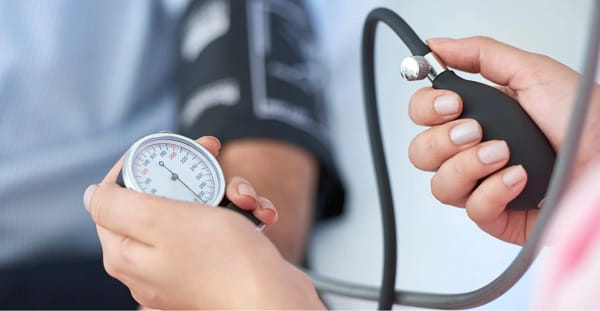
High blood pressure — hypertension — is the most directly established and most extensively researched consequence of excessive dietary salt consumption, and India’s hypertension burden is genuinely alarming. Approximately 220 million Indians currently live with hypertension — the majority undiagnosed, untreated, and unaware of their elevated cardiovascular risk.
The mechanism connecting excess salt and high blood pressure is well-understood. When sodium intake exceeds kidney filtration capacity, sodium accumulates in the bloodstream — drawing water from surrounding tissues through osmosis to dilute the elevated sodium concentration. This increased blood volume directly elevates the pressure exerted against artery walls. Simultaneously, excess sodium triggers the renin-angiotensin-aldosterone hormonal system — causing blood vessels to constrict and retain additional water, further amplifying blood pressure elevation.
Even modest, consistent blood pressure elevation above normal significantly accelerates cardiovascular disease progression. A sustained 5 mmHg increase in systolic blood pressure — entirely within the range that excess dietary sodium causes — raises the risk of stroke by 34% and heart attack by 21% according to extensive epidemiological research. For India, where cardiovascular disease already accounts for approximately 28% of all deaths, the contribution of dietary salt excess to this burden is enormous.
Reducing dietary salt intake by 3 grams daily — achievable through straightforward cooking habit changes — reduces average systolic blood pressure by approximately 3–5 mmHg in most adults. While modest-sounding, this population-level blood pressure reduction, if achieved broadly, would prevent hundreds of thousands of cardiovascular deaths annually across India.
Reason 2: Excessive Salt Severely Damages Kidney Function
The kidneys are responsible for filtering excess sodium from the blood — processing approximately 180 litres of blood daily to maintain the precise sodium balance that cellular health requires. When dietary sodium intake consistently exceeds physiological need, the kidneys must work at chronically elevated capacity — increasing filtration pressure within the delicate glomerular capillaries that perform this filtering function.
This sustained elevated filtration pressure gradually damages the glomerular structures — the microscopic filtering units that number approximately one million per kidney. As glomerular damage accumulates over years of excess sodium intake, kidney filtration capacity progressively declines — a condition called Chronic Kidney Disease (CKD) that currently affects an estimated 10–12% of India’s adult population.
The relationship between excess salt and kidney damage operates in a reinforcing cycle — damaged kidneys filter sodium less efficiently, allowing sodium to accumulate further, elevating blood pressure that then further damages kidneys. This vicious cycle, once established, continues progressing even when dietary salt is subsequently reduced — making prevention through lifelong appropriate salt intake far more effective than attempting correction after kidney damage has begun.
For individuals who already have diabetes or hypertension — both extremely common in India — the kidney-damaging effect of excess salt is dramatically amplified. Diabetic kidney disease progresses significantly faster in individuals with high salt intake, creating a compounding risk that makes salt restriction a medical priority rather than merely a dietary preference for this substantial population group.
Reason 3: Too Much Salt Increases the Risk of Heart Disease and Stroke
Beyond its blood pressure mechanism, excess dietary sodium has independent direct effects on cardiovascular health that operate through additional biological pathways. High sodium intake causes arterial stiffening — reducing the elastic compliance of artery walls that normally accommodate the pressure wave of each heartbeat. This arterial stiffening increases the workload the heart must perform with each contraction, progressively enlarging the left ventricle over years in a process called cardiac hypertrophy.
Enlarged hearts pump less efficiently — the thickened walls reduce cavity volume and the stiffened muscle relaxes less completely between beats. Left ventricular hypertrophy is an independent risk factor for heart failure, arrhythmia, and sudden cardiac death, beyond its contribution to blood pressure elevation.
Stroke risk from excessive salt consumption is particularly acute — the combination of elevated blood pressure, arterial stiffening, and the increased tendency for blood clotting that high sodium intake promotes creates precisely the conditions that trigger both ischaemic strokes (from arterial blockage) and haemorrhagic strokes (from arterial rupture). India’s stroke incidence has increased significantly over the past two decades — with dietary salt excess among the modifiable risk factors contributing meaningfully to this growing burden.
Reason 4: High Salt Intake Causes Bloating, Fluid Retention, and Obesity Risk
The immediate physiological response to excess sodium consumption is fluid retention — the body draws additional water into blood and tissue to dilute elevated sodium concentrations. This water retention manifests as bloating, puffiness around the face and extremities, rapid weight fluctuation, and the uncomfortable heaviness that many Indians experience regularly without connecting it to their salt intake.
Chronic fluid retention creates genuine quality-of-life impacts — joint discomfort from tissue oedema, reduced exercise capacity, sleep disruption from fluid shifts during rest, and the cyclical pattern of weight increase followed by temporary reduction that confounds meaningful body weight management.
The connection between high salt intake and obesity risk extends beyond simple water retention. Salty foods stimulate appetite and reduce satiety signalling — creating the overconsumption tendency that high-sodium processed foods, restaurant meals, and packaged snacks consistently demonstrate. The food industry’s extensive use of salt as a palatability enhancer in biscuits, chips, namkeen, instant noodles, and ready-to-eat meals exploits the genuine appetite-stimulating effect of sodium — making these products more likely to be consumed in larger quantities than equivalent unsalted foods. Reducing dietary salt consumption demonstrably reduces appetite for high-sodium processed foods — breaking a cycle that contributes to India’s rapidly rising obesity and metabolic syndrome prevalence.
Reason 5: Excess Salt Weakens Bones and Increases Stomach Cancer Risk
Two lesser-known but scientifically well-established consequences of excess dietary salt deserve attention — the impact on bone density and the connection to stomach cancer — because they affect enormous numbers of Indian people with dietary patterns characterised by high pickle, preserved food, and cooking salt consumption.
High sodium intake directly reduces bone density through a straightforward metabolic mechanism. As the kidneys work to excrete excess sodium in urine, calcium is co-excreted alongside sodium through shared transport mechanisms in the kidney tubules. Every gram of excess sodium excreted draws approximately 26 milligrams of calcium into urine — calcium that would otherwise contribute to bone mineralisation. For Indian women — who already face elevated osteoporosis risk due to calcium-deficient diets, limited sun exposure, and hormonal factors — this sodium-driven calcium loss accelerates bone density decline that ultimately manifests as fracture risk.
The connection between high salt intake and gastric cancer — stomach cancer — is supported by extensive epidemiological research across Asian populations. Excess sodium damages the protective mucous lining of the stomach wall — creating the chronic inflammation and cellular damage that predispose to malignant transformation. High-salt preserved foods including Indian pickles (achar), salted fish, and heavily salted condiments are specifically associated with elevated gastric cancer risk in research conducted across India, Japan, China, and Korea where these dietary patterns are prevalent.
Practical Tips for Reducing Salt in Daily Indian Cooking
Reducing salt does not mean accepting bland, unsatisfying food — it means recalibrating cooking approaches to develop flavour through other mechanisms. Use more aromatic spices — cumin, coriander, turmeric, black pepper — that provide depth without sodium. Add lemon juice and amchur (dry mango powder) as flavour enhancers that reduce the perceived need for salt. Cook with herbs including curry leaves, coriander, and mint that provide freshness that salt-heavy cooking masks. Reduce pickle and papad consumption that add disproportionate sodium to otherwise moderate meals.
The most important insight about salt reduction is that taste buds genuinely adapt. Food that tastes undersalted in the first week of reduced salt cooking tastes entirely normal within 4–8 weeks — and after this adaptation period, previously normal salt levels taste unpleasantly salty. This taste adaptation is not merely psychological — it reflects genuine changes in the sodium-detecting sensitivity of taste receptor cells on the tongue.
Frequently Asked Questions (FAQs)
Q: How much salt per day is safe for adults in India?
A: The World Health Organisation recommends a maximum of 5 grams of salt per day — approximately one level teaspoon. India’s average consumption of 8–11 grams significantly exceeds this recommendation.
Q: Does reducing salt make food less healthy overall?
A: Reduced salt intake does not reduce any other nutritional value — salt provides sodium chloride only. Using herbs, spices, and acidic ingredients like lemon juice maintains flavour while reducing sodium content.
Q: Is sea salt or rock salt healthier than table salt?
A: All salt types — sea salt, rock salt, pink salt, table salt — contain primarily sodium chloride and have similar health effects at equivalent amounts. Trace mineral differences are nutritionally insignificant at typical dietary quantities.
Q: Can children consume the same amount of salt as adults?
A: No — children’s daily salt limits are significantly lower. Infants under 1 year should have virtually no added salt. Children aged 1–3 need maximum 2 grams daily, aged 4–6 need 3 grams maximum, and aged 7–11 need 5 grams maximum.
Q: Does drinking more water help offset high salt intake?
A: Adequate hydration helps kidneys excrete excess sodium — but is not a substitute for reducing dietary salt. The kidney strain, blood pressure elevation, and bone calcium loss from excess salt occur regardless of hydration level.