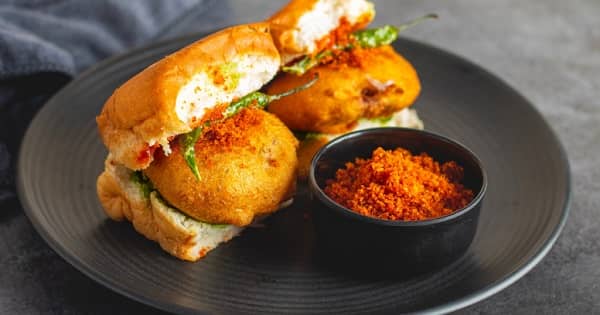
Uttar Pradesh is India’s most populous state and arguably its most culinarily consequential — a land whose cooking traditions have shaped the entire trajectory of North Indian cuisine, produced some of the subcontinent’s most refined culinary achievements, and given the world dishes that are now considered fundamental to Indian food identity globally. The state’s food culture draws from an extraordinary convergence of influences — the refined Awadhi cooking traditions of Lucknow’s nawabi courts that developed the dum cooking technique perfected over centuries, the Banaras ghaat culture that has made specific sweets and street foods sacred through their association with pilgrimage and ritual, the agricultural abundance of the Ganga-Yamuna doab that gives UP’s cooking its emphasis on fresh produce and dairy, and the Muslim culinary heritage concentrated in Lucknow and Agra that introduced Persian techniques and ingredients to Indian kitchens.
Understanding Uttar Pradesh through its food means understanding one of the world’s great regional culinary traditions — a cuisine that simultaneously achieves the maximum refinement of aristocratic nawabi cooking and the maximum accessibility of democratic street food, often with the same ingredients and in the same city.
| Dish | Origin City | Primary Flavour | Best Time to Eat | Price Range |
| Lucknowi Biryani (Dum Biryani) | Lucknow | Fragrant, delicate, layered | Lunch / Dinner | ₹150–₹500 |
| Petha | Agra | Sweet, translucent, floral | Anytime — sweet | ₹50–₹200 |
| Baati Chokha | Eastern UP / Varanasi region | Smoky, robust, earthy | Lunch / Dinner | ₹80–₹200 |
| Tundey Kebab (Galouti Kebab) | Lucknow | Melt-in-mouth, complex spiced | Evening / Dinner | ₹100–₹400 |
| Malai Makkhan / Nimish | Varanasi / Lucknow | Ethereally light, sweet, cream | Morning only — winter | ₹20–₹60 |
1. Lucknowi Dum Biryani — The Pinnacle of Aromatic Refinement
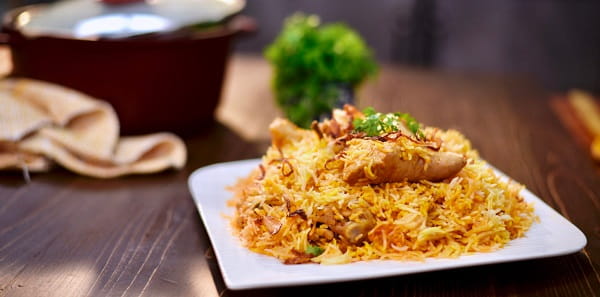
Lucknowi Biryani — also called Pukki Biryani or Dum Biryani — occupies a position of supreme refinement in India’s entire biryani landscape, distinguished by a cooking philosophy that prioritises fragrance, delicacy, and layered subtlety over the bold, assertive spicing that characterises most other regional biryani traditions. Where Hyderabadi biryani is intensely spiced and Kolkata biryani is aromatic with potato, Lucknowi biryani is a study in restraint — each element cooked separately to perfection before being layered and sealed for the final dum cooking that allows flavours to merge through gentle steam without losing individual character.
The defining technique of Lucknowi biryani is the dum method — a cooking process where partially cooked meat and partially cooked rice are layered in a heavy-bottomed vessel, the rim sealed with flour dough to trap all steam and fragrance, and the entire preparation cooked over a very low flame for 45–90 minutes. During this time, the steam circulates within the sealed vessel — finishing the cooking of both components while the spice aromas permeate the rice without any direct contact, creating a flavour integration of extraordinary subtlety.
The Lucknowi approach involves cooking meat and rice separately before layering — a technique called pukki (cooked) biryani that differs from Hyderabad’s kacchi (raw meat) method. The meat — typically young goat (mutton) or chicken — is first cooked in a yoghurt and spice marinade until almost tender, then layered with rice that has been parboiled with whole spices including star anise, black cardamom, and cinnamon. Saffron soaked in warm milk is drizzled over the top layer — providing the characteristic golden hue and floral fragrance that distinguishes Lucknowi biryani’s visual and aromatic signature.
The spice philosophy of Lucknowi biryani reflects the Awadhi culinary tradition’s preference for aromatic complexity over heat — using a large number of spices in small quantities to build a layered fragrance rather than employing fewer spices in large quantities for intensity. The result is a biryani where each mouthful delivers a different aromatic note — a quality that nawabi court ustads spent generations perfecting.
Lucknow’s celebrated biryani establishments including Dastarkhwan, Idris ki Biryani, and the legendary restaurants of Aminabad serve versions that have maintained generational consistency — their recipes and techniques transmitted within families across multiple generations of cooking.
2. Agra Petha — India’s Most Famous Sweet
Petha is Agra’s most celebrated culinary achievement and one of India’s most distinctive regional sweets — a translucent, tender candy made from ash gourd (white pumpkin) that has been transformed through an elaborate multi-stage preparation into a confection of extraordinary delicacy, perfectly balancing sweetness with the clean, fresh flavour of the original vegetable. The famous story connecting Petha to Agra’s Taj Mahal — that it was created by royal cooks to feed the thousands of workers constructing Shah Jahan’s monument to love — may be apocryphal, but it perfectly captures the preparation’s historical depth and cultural significance.
The production of Petha involves a careful multi-day process that begins with selecting young ash gourd at the precise stage of ripeness that produces the best texture. The gourd is peeled, cut into geometric shapes — cubes or elongated pieces — and then treated with lime water that firms the cell structure and provides the translucency that characterises finished Petha. Multiple washes remove the lime treatment before the gourd pieces are cooked in sugar syrup through several stages of concentration — each stage deepening the sweetness and transparency until the finished product has the glassy appearance and tender, yielding texture of a perfectly made candy.
Agra’s Petha production has evolved dramatically from the original simple sugar syrup preparation into an extraordinary variety of flavoured versions — kesar (saffron) Petha with its characteristic golden colour and floral sweetness, angoori (grape-shaped) Petha in miniature pearl-like forms, pan (betel leaf) flavoured Petha, chocolate Petha, and seasonal specials that reflect modern confectionery innovation applied to a traditional base. The original plain Petha remains the most beloved for its purity — the clean sweetness of ash gourd transformed by sugar into something that manages to be both simple and refined simultaneously.
Agra’s old city market areas — particularly Noori Gate and Sadar Bazaar — house dozens of petha manufacturers ranging from artisanal family operations to large commercial producers whose Petha reaches every corner of India. Visiting Agra without bringing Petha home is practically considered a cultural transgression — it is the most universally purchased souvenir from a city whose attractions include the world’s most famous building.
3. Baati Chokha — Eastern UP’s Soul Food
Baati Chokha represents the robust, agricultural heart of eastern Uttar Pradesh’s food culture — a preparation deeply connected to the land, the hearth, and the straightforward satisfaction of cooking that requires minimal equipment but delivers extraordinary flavour through the transformative power of fire. This is the food of the Purvanchal region — the eastern districts of UP including Varanasi, Allahabad, Azamgarh, and Gorakhpur — where it remains the daily staple of rural households and a celebrated culinary identity marker.
Baati are hard wheat dough balls — made from whole wheat flour, a little ghee, and minimal water, shaped into smooth spheres — that are cooked directly in hot coals or sand-filled pits over open fire. The traditional preparation involves burying the dough balls in glowing charcoal embers and allowing them to cook slowly as the coal heat penetrates from all sides — producing a hard, charred exterior encasing a thoroughly cooked, slightly smoky interior. This char-and-smoke quality is Baati’s defining characteristic — the flavour that no oven reproduction can adequately replicate because the open coal cooking creates compounds and aromas that controlled oven temperatures simply do not generate.
The finished baati is broken open and doused generously with pure desi ghee — the ghee penetrating the cracked surface and melting into the hot interior creates the combination of roasted wheat and dairy fat that forms baati’s core flavour experience. The accompaniment — chokha — is where additional complexity arrives. Baingan (brinjal) chokha involves roasting whole brinjal directly over open flame until completely charred outside, then peeling and mashing the smoky interior with mustard oil, raw garlic, green chilli, and salt. Aloo chokha uses roasted potatoes with identical treatment. Tomato chokha provides acidic balance to the heavy, oil-rich baati.
The complete Baati Chokha meal — three or four coal-cooked baatis each drowned in a pool of ghee, alongside the smoky chokha preparations, perhaps a panchmel dal of five mixed lentils, and raw onion and pickle — is one of Indian cuisine’s most primally satisfying eating experiences, connecting the meal to the most fundamental human relationship between food and fire.
4. Tundey Kebab — Lucknow’s Most Legendary Creation
Tundey Kebab — the specific name for the Galouti kebab associated with Lucknow’s legendary Tunde Miyan establishment — is perhaps India’s single most mythologised and most celebrated kebab preparation, a dish whose story encapsulates everything that makes Awadhi cooking extraordinary. The preparation bears the name of its creator — Haji Murad Ali, who had one arm and was therefore called Tunde (one-armed) — whose recipe for melt-in-mouth minced meat kebabs reportedly required 160 different spices and a technique so refined that the finished kebab literally dissolves on the tongue.
The melt-in-mouth quality of Tundey Kebab is achieved through a combination of the finest-quality minced meat ground to exceptional smoothness, raw papain enzyme from green papaya that breaks down protein fibres completely, the specific fat ratio from bone marrow and tail fat that provides the richness and lubrication that enables the melting sensation, and a spice blend whose specific composition remains a family secret. The kebab is cooked on a flat tawa over medium heat — pressed thin, cooked briefly, the exterior just setting while the interior remains almost liquid — creating the paradox of a cooked meat preparation that appears solid but dissolves completely at first contact.
Tunde Miyan’s original establishment in Lucknow’s Aminabad area has been operating since 1905 and remains among the world’s most historically continuous single-dish restaurants — serving the same preparation using the same recipe for over a century. The experience of eating Tundey Kebab wrapped in a soft rumali roti at the original location, surrounded by the sounds and smells of Aminabad bazaar, is one of India’s essential food pilgrimages.
5. Malai Makkhan / Nimish — Varanasi and Lucknow’s Morning Cloud
Malai Makkhan in Varanasi and Nimish in Lucknow are the same ethereal preparation known by different names — a winter morning delicacy that shares its fundamental technique and dreamlike quality with Delhi’s Daulat Ki Chaat, representing a pan-northern Indian tradition of creating impossibly light, cloud-like sweet foam from milk and cream through the patient exploitation of cold winter conditions and skilled morning labour.
The preparation begins in the deepest hours of the winter night — whole buffalo milk, cream, and sometimes a few aromatic additions including saffron and cardamom are whisked and worked in large shallow vessels placed in the open air where winter temperatures and morning dew contribute to the foam formation. The milk mixture is agitated continuously through the night, the fat globules in the cream being worked into a stable foam structure that captures air and moisture in a matrix of butterfat and milk proteins that will hold its impossible lightness only as long as temperatures remain cold.
By dawn, the foam has achieved the consistency of a cloud given edible form — a preparation so light that it seems to weigh nothing, that collapses into a small pool of sweetened cream almost instantly upon consuming, leaving behind only the memory of saffron fragrance, sweetness, and a richness so delicate it seems paradoxical. Garnished with powdered sugar, mawa, crushed nuts, and gold or silver leaf at premium preparations, Malai Makkhan and Nimish deliver Uttar Pradesh’s most poetic eating experience.
The strict seasonality — these preparations are genuinely impossible to make in warm weather because the foam structure requires cold temperatures to maintain even the brief stability needed for service — and the morning-only availability create a scarcity that makes eating them feel like a gift rather than simply a purchase. Varanasi’s ghaat areas in winter mornings, with mist rising from the Ganga while vendors sell Malai Makkhan to pilgrims emerging from morning prayers, create one of India’s most profoundly beautiful eating environments.
The Cultural Significance of UP’s Food Heritage
Uttar Pradesh’s culinary identity runs deeper than mere taste preferences — it represents centuries of cultural synthesis between Hindu and Muslim communities, between aristocratic refinement and democratic accessibility, between agricultural simplicity and courtly sophistication. The dum cooking technique developed in Lucknow’s nawabi kitchens has influenced Indian restaurant cooking globally. The kebab traditions that Tunde Miyan and similar ustads perfected have established benchmarks of culinary achievement that professional cooks worldwide study. The pilgrimage food culture of Varanasi has created specific preparations — Malai Makkhan, Thandai, Banarasi paan — that are inseparable from the city’s spiritual identity.
Frequently Asked Questions (FAQs)
Q: Which city in UP is most famous for food?
A: Lucknow is most celebrated for its Awadhi culinary tradition — biryani, kebabs, and refined Muslim cooking. Varanasi is equally famous for its distinctive street food and sweets culture linked to pilgrimage traditions.
Q: Is Lucknowi biryani different from Hyderabadi biryani?
A: Yes — significantly. Lucknowi biryani uses the pukki (pre-cooked) method with delicate aromatic spicing emphasising fragrance over heat. Hyderabadi biryani uses kacchi (raw meat) method with bolder, more assertive spicing.
Q: Where can I buy authentic Agra Petha outside Agra?
A: Authentic Agra Petha is available at Agra’s official certified manufacturers. Many sweet shops across North India stock Petha — look for the GI (Geographical Indication) certified brand for guaranteed authenticity.
Q: Is Baati Chokha difficult to make at home?
A: Baati can be made in a conventional oven though it loses some of the coal-smoke character. Most authentic recipes suggest using a gas flame or coal environment. Chokha preparation is straightforward using direct flame roasting of brinjal and tomato.
Q: What is the best season to visit UP for food tourism?
A: October through February provides the best UP food tourism experience — comfortable temperatures for food exploration, full availability of winter-only preparations including Malai Makkhan and Nimish, and the peak pilgrimage season in Varanasi when street food culture is most vibrant.