A heavy cardboard box arrives on an employee’s doorstep, slapped with corporate packing tape and a printed message celebrating a record-breaking financial quarter. Inside sits a familiar ensemble: a heavy fleece vest embroidered with a massive company logo, a vacuum-insulated travel mug that doesn’t quite fit into a standard car cup holder, and a handful of branded tech gadgets that will likely end up in a junk drawer by the weekend. On paper, management spent months coordinating this logistical rollout, congratulating themselves on a visible, physical expression of corporate gratitude. On the ground, however, the reception is decidedly quiet. The employee appreciates the gesture but can’t shake the feeling that the company is asking them to be a walking billboard for an aesthetic they didn’t choose.
We have historically treated employee rewards as an exercise in bulk curation, operating under the assumption that if an executive committee likes a specific weekend bag, the entire engineering department will too.
But the workforce has grown intensely weary of the one-size-fits-all corporate care package. The internal friction inside modern human resources teams often stems from a structural mismatch between centralized procurement timelines and the highly individualistic, grassroots reality of what employees actually value. A physical item chosen in a boardroom six months ago rarely aligns with what an employee needs today. One person might be saving for a high-end espresso machine, another needs to offset their weekly grocery bill, and a third just wants to fund a rare night out with their family.
When organizations try to force tangible, unyielding merchandise onto a diverse workforce, they create an unintended byproduct: a waste economy of unwanted plastic and mis-sized apparel.
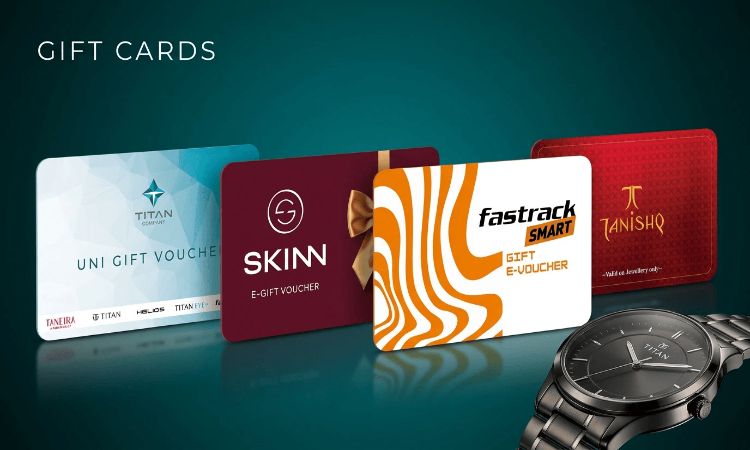
To understand this shift, we have to look at the sheer logistical weight of managing corporate gift inventory. Tracking shipping addresses for hybrid teams, managing returns for damaged items, and navigating international customs for global offices turns standard recognition into a grueling administrative endurance sport. This realization has led to an unprecedented corporate migration toward digital gift cards as the default mechanism for real-time recognition. They offer an immediate escape valve from the traditional supply chain headache.
Moving a company away from the traditional plaque-and-trophy mindset introduces its own set of operational questions. Management often gets bogged down in the basic mechanics of digital distribution. But beneath the surface, human resources teams face a deeper infrastructure question: how do gift cards work when scaled across thousands of decentralized staff members without triggering tax compliance issues or turning into a full-time manual email campaign?
This operational hurdle is exactly where Titan grounds its entire philosophy. The brand approaches workplace rewards through the lens of systemic enablement rather than transactional, short-term charity. True recognition is not about creating a disingenuous, amorphous token and hoping for the best; it is about building an integrated, infrastructure-level ecosystem that respects the autonomy of the individual. Rather than pushing employees to adapt to whatever the warehouse happens to have in stock, an intelligent system will bake flexibility directly into the corporate DNA, turning a generic instrument of encouragement into a truly valuable asset.
The Reality Behind the Modern Day Reward System
Peering beneath the surface reveals that the true value of rewards is embedded in a different set of circumstances altogether:
- The Self-Selection Benefit: The opportunity to choose what one wants is tremendously empowering. Not only does it remove the guesswork of picking something that the recipient will actually value, but it also conveys a deep respect for the individual’s preferences and circumstances. Something that might seem like a frivolous expenditure to one employee could be entirely indispensable to another—and neither should be assumed to have greater value than the other.
- Almost Immediate Fulfillment: Corporate gifts often have long lead times which creates a serious disconnect between the achievement and its reward—particularly at higher levels where milestones can take months to accomplish and years to recognize. Digital rewards remove this obstacle almost entirely by fulfilling almost instantly upon earning.
- Eliminating the Branding Tax: Employees rarely want to wear a walking corporate advertisement outside of office hours. Removing heavy corporate branding from the reward entirely ensures the gesture feels like a genuine thank-you rather than a secondary marketing campaign.
The old playbook that forced companies to choose between the administrative nightmare of physical inventory and the cold impersonality of a cash bonus is entirely obsolete. By anchoring corporate recognition in an intelligent, choice-driven framework, organizations can stop treating milestone celebrations like a seasonal logistical crisis. They can turn employee rewards into a quiet, structural certainty that honors individual autonomy while reinforcing a culture of genuine respect.